30+ years of flooring experienceCall 903-541-9211

Application-first flooring guidance

Carpet tile

Modular flooring built for active commercial environments.

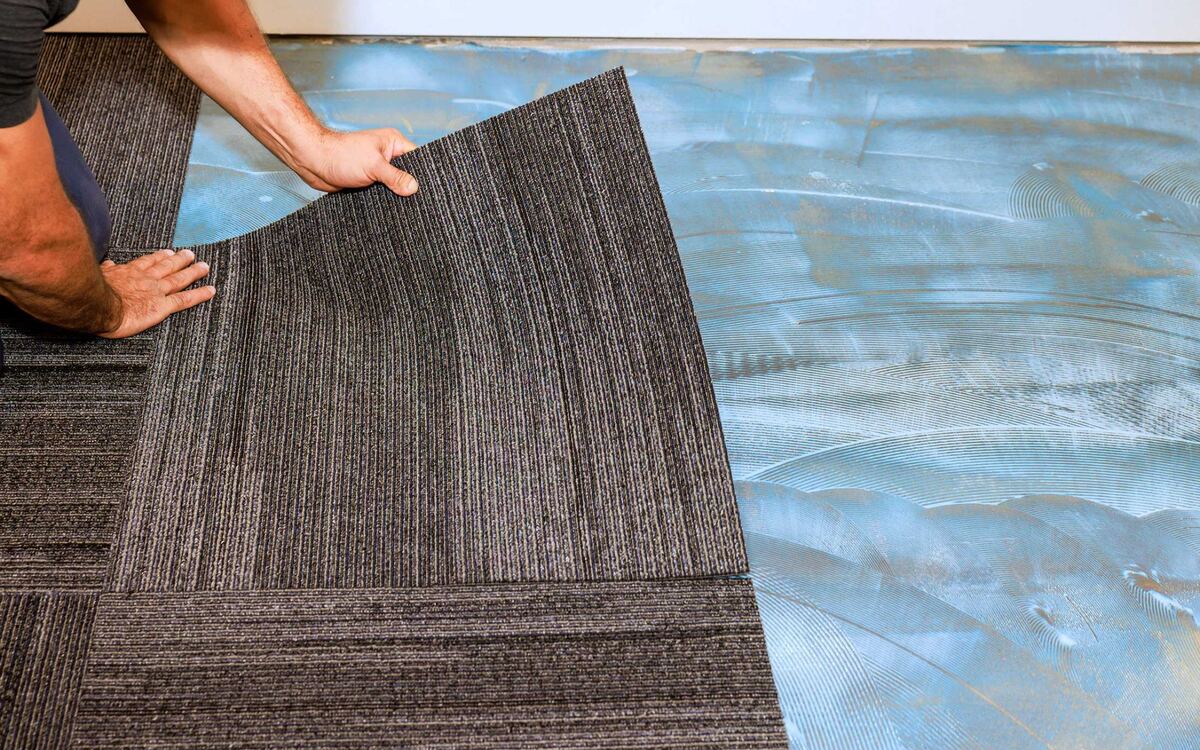
Commercial carpet tile being installed over prepared adhesive
Carpet tile example; current colors, constructions, and inventory vary.

Carpet tile uses modular squares or planks to combine soft-surface acoustics with flexible layout and replacement options. Collections vary in fiber, pile construction, backing, size, installation method, and performance classification. The modular format is valuable, but good results still depend on substrate preparation, pattern planning, adhesive selection, and an appropriate maintenance program.

Residential applications

Carpet tile for East Texas homes

Carpet tile can be useful in home offices, playrooms, bonus rooms, and other spaces where modular serviceability is more important than a traditional broadloom look. Consider seams, pattern direction, floor preparation, comfort expectations, and the intended use of the room. Not every commercial-looking product or adhesive system is ideal for every occupied home.

Commercial applications

Planning for active interiors

Offices, education, retail, corridors, worship spaces, and public interiors often use carpet tile to manage traffic and simplify selective replacement. Compare backing systems, rolling traffic, acoustics, installation method, dye-lot coordination, maintenance access, and availability of replacement material. Layout can also support wayfinding, zoning, and intentional pattern changes.

Compare before ordering

Selection and preparation

Review tile or plank dimensions, pattern orientation, quarter-turn versus monolithic installation, backing, cushion, adhesive, transitions, and substrate requirements. Plan the starting point and edge cuts before ordering. Keeping clearly labeled attic stock from the same production run helps preserve the main serviceability advantage of modular flooring.

Project checkpoint: Decide pattern, backing, traffic class, transitions, adhesive, and attic stock early.

Protect the result

Maintenance and long-term care

Vacuum frequently with equipment appropriate for the pile and use a planned spot-cleaning and extraction schedule. Follow both flooring and adhesive guidance when replacing modules. Rotate attic stock if the manufacturer recommends it, and address entry soil early so replaced tiles do not create avoidable appearance differences.